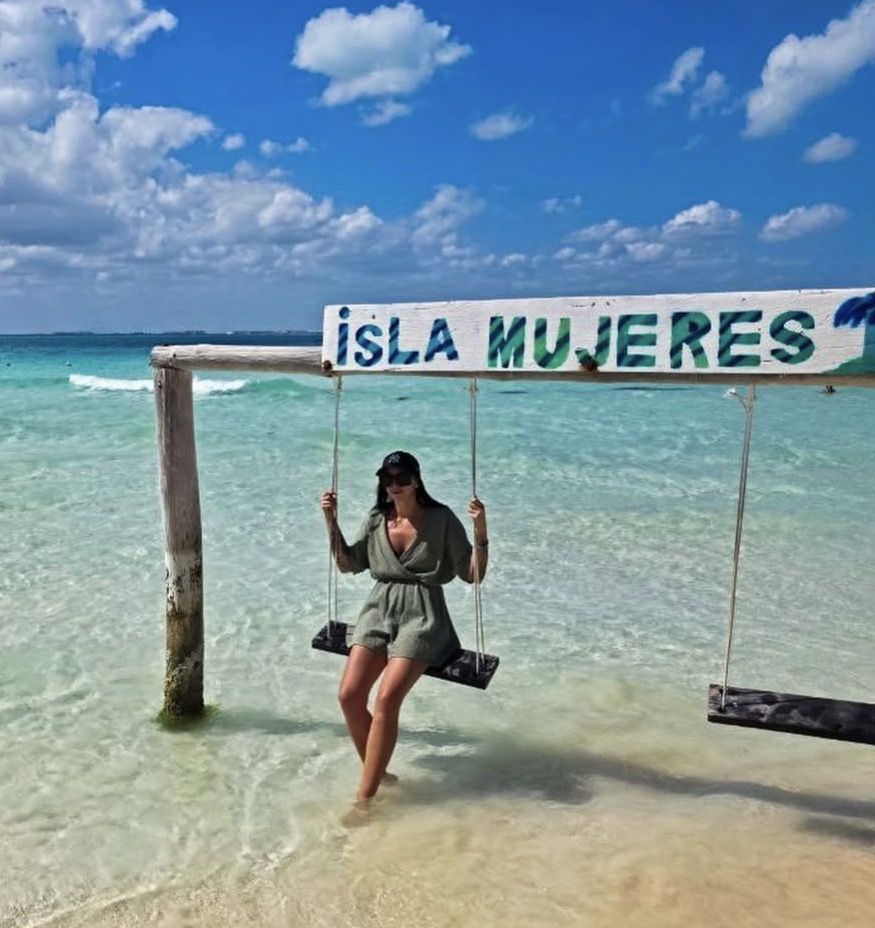
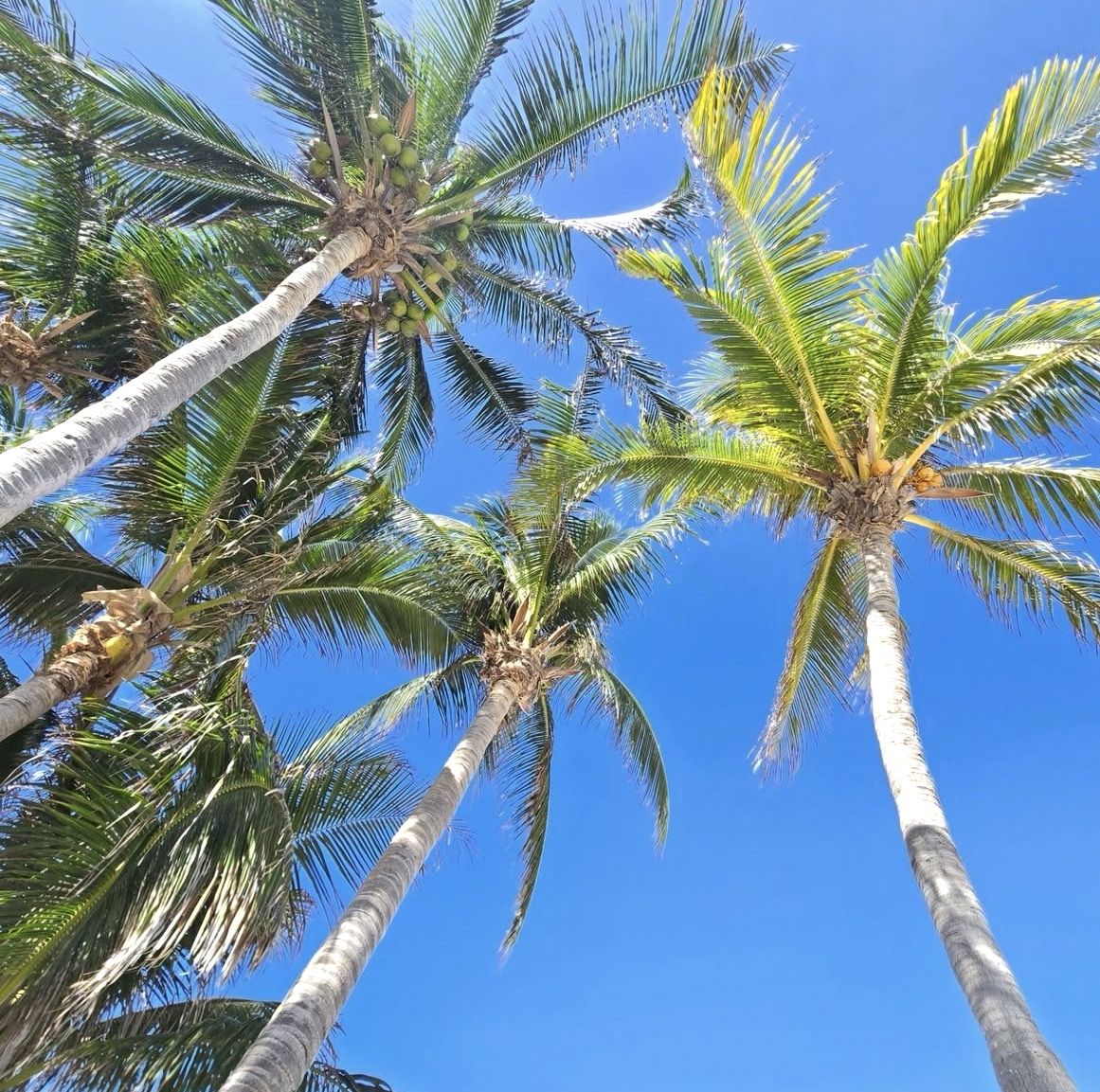
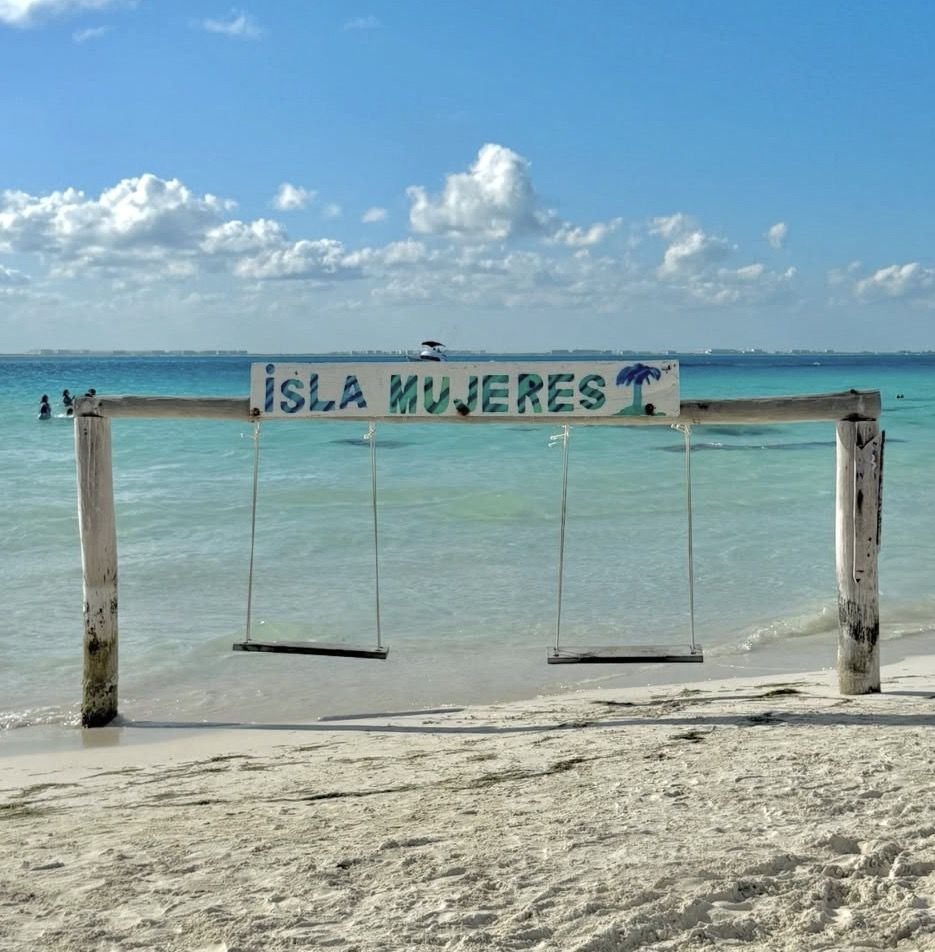
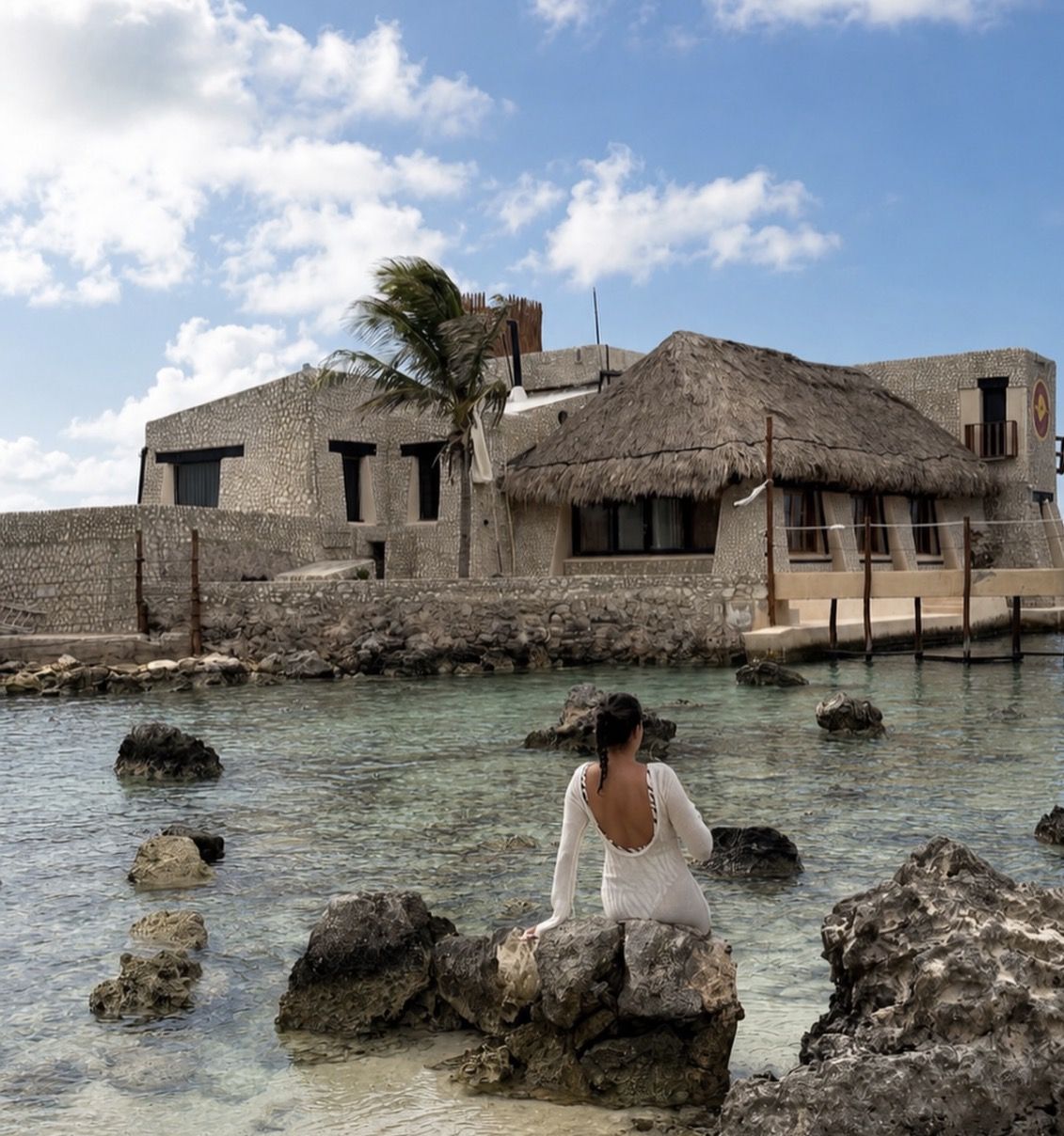
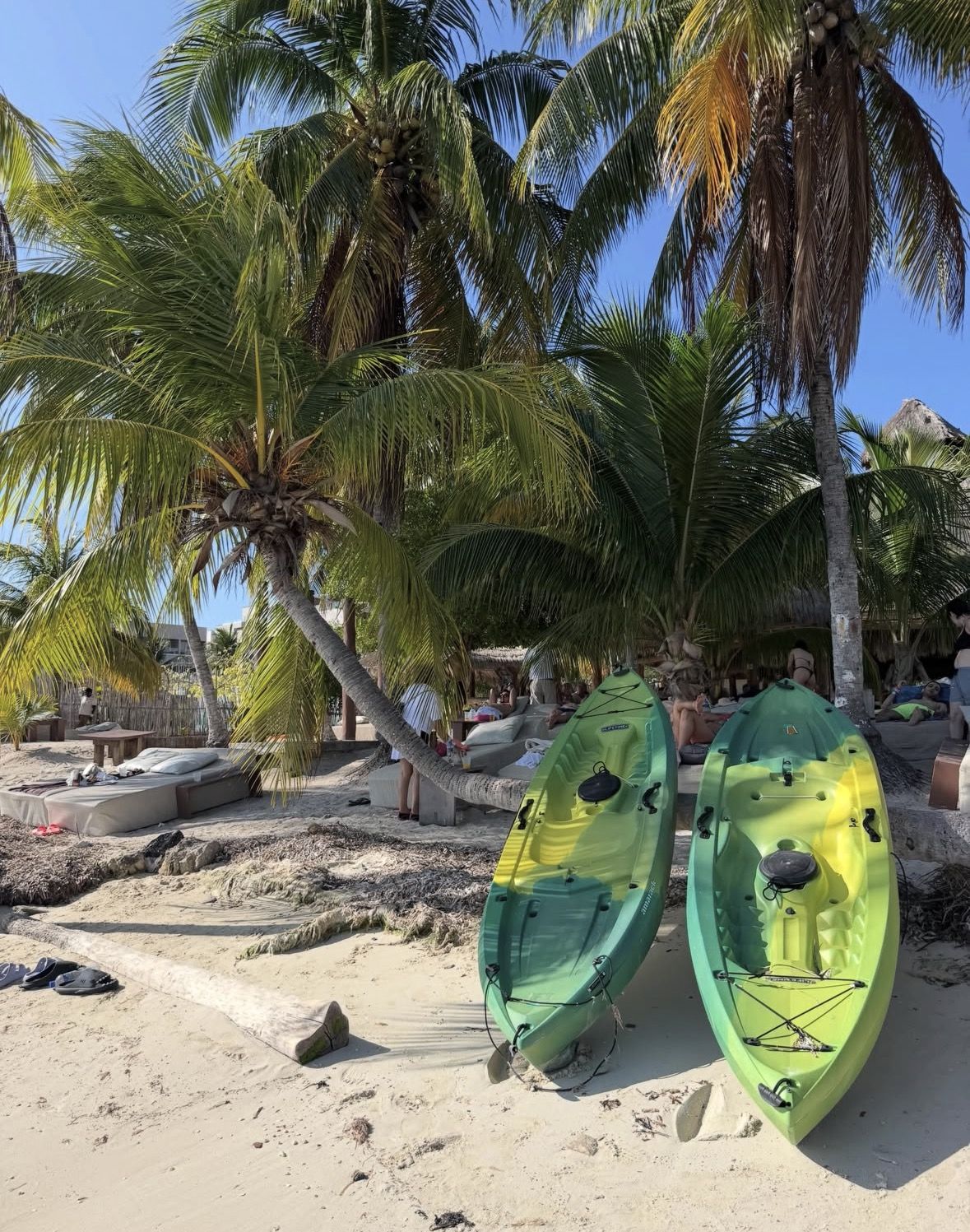
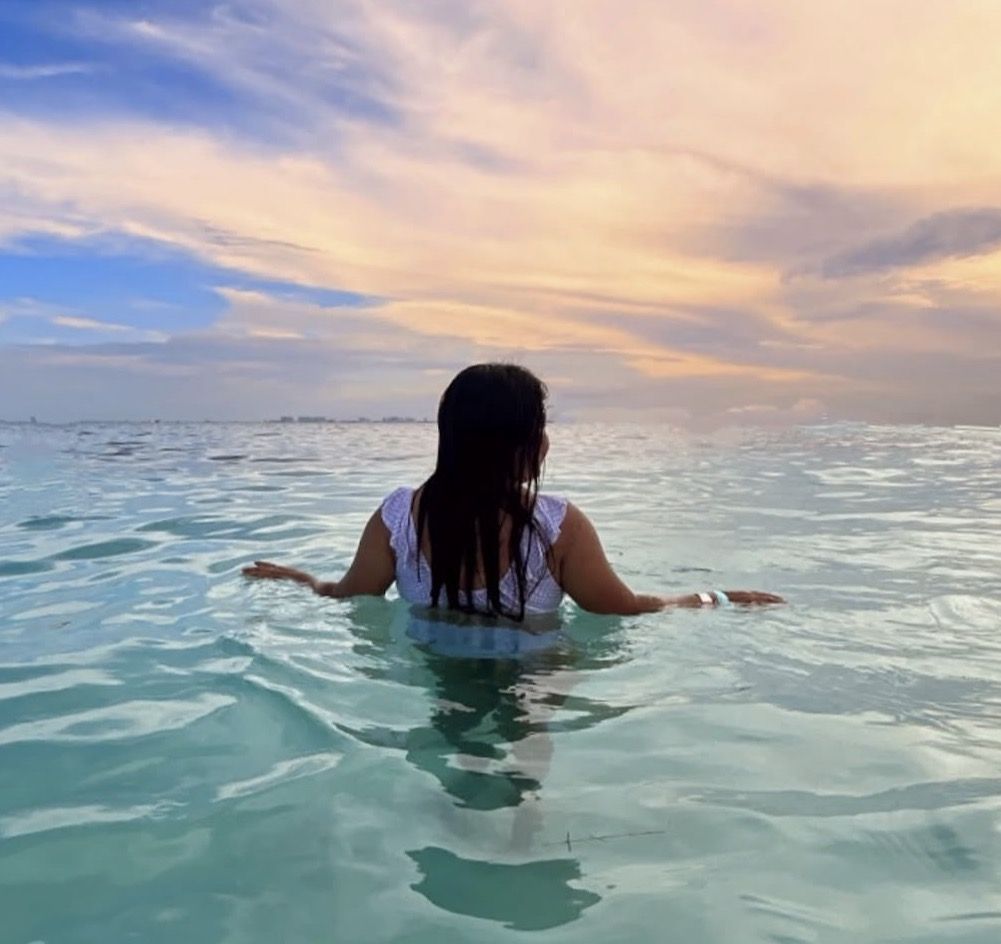
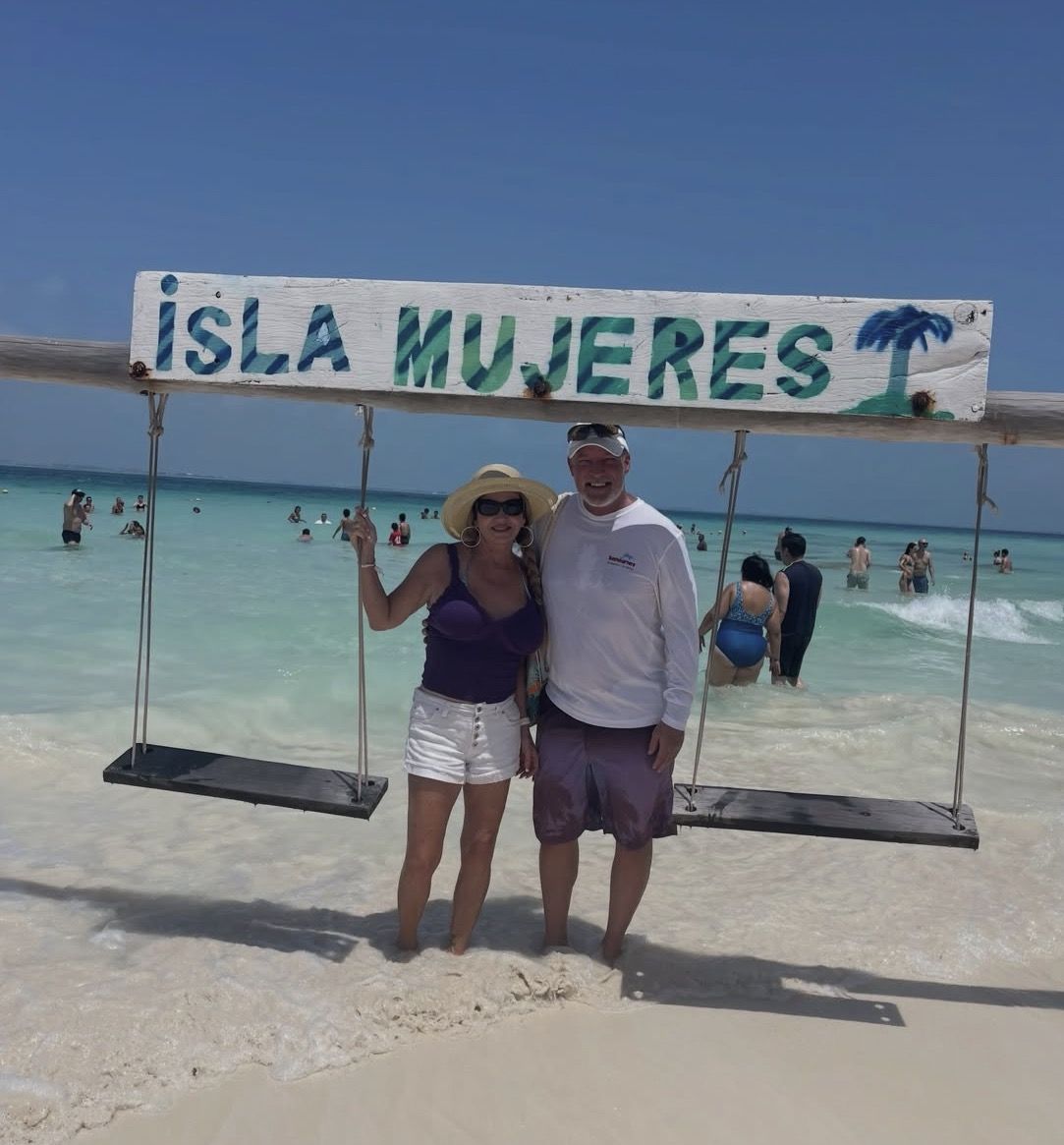
A sun-drenched island of turquoise waters, colorful streets, and world-class beaches that feels a world away from the mainland. Whether you seek adventure beneath the waves or total relaxation on powdery white sand, this destination delivers it all.
Featured Tour
The Isla Mujeres Luxury Sailing: Adults Only or Family Friendly experience is one of the most celebrated ways to discover this stunning Caribbean island. Step aboard a modern catamaran departing from Cancún and set sail across the turquoise sea toward Isla Mujeres. Along the way you'll drop anchor in warm, crystalline waters for a guided snorkeling session teeming with tropical marine life. A delicious light lunch is served onboard, and an open bar keeps the good times flowing throughout the day. Once ashore, free time lets you wander the island's colorful streets, browse artisan markets, or simply kick back on the beach. The return sail under the afternoon sun — drinks in hand — is the perfect Caribbean farewell.
About the Destination
Stretching just 8 kilometers long and barely 800 meters wide, this tiny Mexican island packs an extraordinary amount of beauty and character into every corner. From its tranquil northern beach to the windswept cliffs of the south, every part of it rewards exploration.
Situated roughly 13 kilometers off the coast of Cancun in the Caribbean Sea, Isla Mujeres is a slender strip of paradise that belongs to the state of Quintana Roo. The island's western shore faces the calm, sheltered waters of the Bay of Mujeres, while the eastern coast meets the open Caribbean with dramatic rocky outcrops and powerful waves. The downtown area is a vibrant mosaic of painted buildings, taco stands, and boutique shops that give the island its unmistakably warm, community-driven character.
The island's name — meaning 'Island of Women' in Spanish — traces back to Spanish explorer Francisco Hernández de Córdoba, who landed here in 1517 and found numerous clay figurines of the Mayan goddess Ixchel. Before Spanish contact, the site served as an important Mayan ceremonial center dedicated to the goddess of fertility and the moon. Pirates later used its sheltered waters as a base, and a small fishing community gradually took root. By the late 20th century, it had transformed into a beloved travel destination while still retaining its authentic fishing-village soul.
Visitors arriving on the 20-minute ferry from Cancun step into a pace of life that feels instantly therapeutic. Golf carts replace cars as the primary mode of transport, giving the whole island a playful, unhurried energy. Mornings are best spent at Playa Norte, where the water is so calm and clear it resembles a swimming pool. Afternoons invite exploration — from the clifftop Mayan temple ruins at Punta Sur to the colorful street murals downtown. Evenings bring candlelit seafood dinners, live music, and spectacular sunsets that paint the sky in deep purples and golds.

The surrounding waters teem with over 500 species of fish and marine life. The Mesoamerican Barrier Reef, the second largest in the world, runs just offshore, making snorkeling and diving here exceptional.
Every summer, hundreds of whale sharks gather in the waters near the island to feed on fish spawn. Guided boat tours allow visitors to swim alongside these gentle, filter-feeding giants in a truly bucket-list encounter.
Spanish explorer Francisco Hernández de Córdoba first landed here in 1517, discovering a Mayan ceremonial site. The clay female figurines he found inspired the island's enduring name.
The Museo Subacuático de Arte (MUSA) contains more than 500 life-sized sculptures submerged on the seabed. Created by artist Jason deCaires Taylor, the installation doubles as an artificial reef supporting marine biodiversity.
The entire island can be circumnavigated by golf cart in a single leisurely day. This is the most popular way for visitors to explore, stopping at beaches, viewpoints, and local eateries along the route.
Punta Sur, the island's southernmost point, is the first place in Mexico to receive the rays of the rising sun each day. The clifftop lighthouse and ruined Mayan temple make it a breathtaking spot to witness the moment.
The crystal-clear Caribbean waters surrounding the island offer outstanding visibility and rich reef ecosystems. Guided snorkel tours visit multiple reef sites, while certified divers can explore MUSA's haunting underwater sculpture garden.
Renting a golf cart is the quintessential island activity, allowing visitors to cruise from the bustling town center all the way to the wild southern cliffs. Stop at Playa Media Luna, Punta Sur, and every beach in between.
Between June and September, licensed tour operators offer early-morning boat trips to swim with whale sharks in open water. It is one of the most exhilarating wildlife encounters available anywhere in the Caribbean.
Playa Norte's impossibly calm, waist-deep turquoise water is perfect for floating and swimming. Beach clubs along the shore offer lounge chairs, cocktails, and shade for a truly effortless afternoon.
The island's culinary scene punches well above its weight, with open-air restaurants serving freshly caught fish, Yucatecan specialties like Tikin Xic, and exceptional ceviches right on the waterfront.
The southern tip of the island features dramatic limestone cliffs, a centuries-old lighthouse, and the remains of a small Mayan temple dedicated to Ixchel. The panoramic views over the open Caribbean are absolutely stunning.
Weighing your Caribbean island options? Here's how the destination stacks up against popular alternatives.
Choosing a Caribbean island escape often comes down to the balance between atmosphere, budget, and the style of experience you're after. Isla Mujeres appeals to travelers who want genuine small-town character alongside world-class natural beauty, without the resort-strip overwhelm of larger tourist hubs. This comparison helps you see at a glance how it measures up against other beloved islands in the region, so you can choose the destination that best fits your travel style and priorities.
| Crowds | Price | Best For | What Sets It Apart | |
|---|---|---|---|---|
| ★ Isla Mujeres | Moderate — peaceful outside peak season | Budget-friendly to mid-range | Couples, snorkelers, laid-back travelers | Authentic village feel with pristine Caribbean reefs |
| Cozumel | Heavy cruise ship traffic daily | Mid-range to high | Scuba divers, cruise passengers | World-renowned wall diving & clear visibility |
| Holbox Island | Low to moderate, very quiet | Budget-friendly | Eco-travelers, digital detox seekers | Car-free, flamingo lagoons, totally off-grid vibe |
| Tulum (coast) | High and growing rapidly | High to luxury | Wellness tourists, Instagram travelers | Mayan ruins above the sea, boutique hotel scene |
When weighed against its neighbors, Isla Mujeres strikes the rarest balance: it is genuinely accessible, authentically local, and naturally spectacular all at once. Cozumel wins on dive depth, Holbox on solitude, and Tulum on design-forward luxury — but none of them offer the same combination of walkable village charm, world-class snorkeling, and legendary beach calm that defines a visit here.
Travel Guide
Everything you need to plan a seamless trip — from ferry schedules and packing lists to local insider tips.
The most common gateway is Cancun International Airport (CUN), served by direct flights from dozens of North American and European cities. From the airport, travelers take a taxi or shuttle to one of several ferry terminals — Puerto Juárez is the closest to the airport and the most frequently used. The 20-to-30-minute ferry crossing is operated by companies including Ultramar and Xcaret Xailing, with departures running roughly every 30 minutes throughout the day.
Once on the island, there are no full-sized cars for rent — and that's part of the charm. Golf carts are the standard mode of transport and can be hired from numerous rental shops near the ferry dock. Scooters and bicycles are also available for those who prefer them. The main town is compact enough to walk, and a golf cart can reach even the southernmost point, Punta Sur, in under 15 minutes. Taxis do operate on the island for those who prefer not to self-drive.
The ideal window for visiting runs from November through April, when temperatures are pleasantly warm (24–28°C), humidity is lower, and rainfall is minimal. December through March is the peak tourist season, bringing the most visitors but also the most reliable sunshine. February and March offer a particularly sweet spot — warm, dry, and slightly less crowded than the Christmas and New Year's holiday rush. Whale shark season (June–September) draws a different crowd of wildlife enthusiasts despite the summer heat.
The Caribbean climate here delivers warm weather year-round, but the shoulder and off-seasons come with trade-offs. May and June are hot and humid but quieter and more affordable. The official hurricane season runs from June through November, with September and October carrying the highest statistical risk of tropical storms — though many visitors travel during this period without incident. Rain during the wet season (June–October) tends to come in short, intense afternoon bursts rather than all-day downpours, leaving mornings clear.
Packing for a tropical island stay is mercifully simple — think light, breathable, and sun-protective. Reef-safe sunscreen is an absolute must, both to protect your skin and to help preserve the fragile coral ecosystems that make the surrounding waters so extraordinary. A good rash guard or UV-protective swim shirt is worth its weight, especially for long snorkel sessions. Don't forget a dry bag to keep electronics and documents safe during boat tours and beach days.
Evenings on the island are warm but can occasionally feel breezy, so one light layer — a linen shirt or cotton cardigan — is useful for open-air dinners. Footwear needs are minimal: a sturdy pair of water sandals handles everything from reef walks to restaurant evenings. For those planning whale shark tours or diving excursions, a wetsuit top or 3mm shorty wetsuit adds comfort in deeper water. Leave the formal wear at home — the dress code everywhere is breezy tropical casual.
The island operates at a wonderfully unhurried pace — locals call it 'island time,' and visitors who embrace rather than fight it have a far better experience. Spanish is the primary language; even a few basic phrases (gracias, por favor, ¿cuánto cuesta?) are warmly appreciated by vendors and restaurant staff. Tipping is customary and important: 10–15% at restaurants is standard, and a small tip for golf cart rental staff or boat crews goes a long way in this community-dependent economy.
The local currency is the Mexican Peso (MXN), and while many businesses accept US dollars, you'll generally get better value paying in pesos. ATMs are available in the town center but can run out of cash on busy holiday weekends, so carry a backup. Street food is excellent and safe — the fish tacos and elotes at the market are unmissable. Avoid buying any coral, turtle products, or shells, as these are often illegally harvested and their sale is harmful to the reef ecosystem.
The island is generally a very safe destination with low crime rates, particularly in tourist areas. Standard travel precautions apply: keep valuables out of sight on beaches, use a waterproof pouch for documents during boat tours, and avoid leaving items unattended on sun loungers. The island has a small medical clinic for minor ailments, but for anything serious, transfer to Cancun's hospitals is necessary — comprehensive travel insurance with medical evacuation cover is strongly recommended for all visitors.
Tap water is not safe to drink; stick to bottled or purified water throughout your stay. Mosquito repellent is essential, especially in the evenings and during the wet season, as dengue fever is a real (though manageable) risk in tropical Mexico. Most routine vaccinations should be up to date before travel; hepatitis A and typhoid vaccines are commonly advised for Mexico travel. Apply sunscreen regularly — the Caribbean sun is intense year-round and sunburn can escalate quickly, especially on the water.
Explore More
Extend your adventure with day trips to Cancun's Hotel Zone, the ancient Mayan ruins of Cobá, the turquoise lagoon at Bacalar, or the pristine eco-parks of the Riviera Maya.

The All Inclusive Isla Mujeres Catamaran is your ticket to a picture-perfect day on the Mexican Caribbean.
Check this tour →
The Isla Mujeres Catamaran Tour with Snorkel, Open Bar and Transport is your ticket to the best of the Mexican Caribbean in a single action-packed day.
Check this tour →
The Catamaran Tour to Isla Mujeres Cancun is the ultimate all-inclusive escape from the Cancun hotel zone.
Check this tour →
The Catamaran Tour to Isla Mujeres all Included is the ultimate way to experience the best of the Mexican Caribbean in a single day.
Check this tour →
The Isla Mujeres Luxury Sailing: Adults Only or Family Friendly experience is one of the most celebrated ways to discover this stunning Caribbean island.
Check this tour →
The Exciting Catamaran Tour to Isla Mujeres, from Cancún! is your ticket to a full-day Caribbean escape packed with sun, sea, and indulgence.
Check this tour →
The Isla Mujeres Premium Catamaran Tour with transportation from Playa del Carmen is your passport to an unforgettable day on the Caribbean Sea.
Check this tour →Traveler Reviews
Travelers share their unforgettable experiences on Isla Mujeres, from pristine beaches to vibrant reef tours.
"This little island completely stole my heart from the moment I stepped off the ferry. Renting a golf cart and cruising to Punta Sur was one of the best decisions we made — the views from the cliffs are absolutely breathtaking. Playa Norte lived up to every bit of its world-class reputation, with water so calm and clear it felt like swimming in a giant aquarium. We also did a whale shark snorkeling tour that I will talk about for the rest of my life."
"We spent five days here and honestly could have stayed five weeks. The pace of life is wonderfully slow, the locals are incredibly warm, and the food is outstanding — particularly the fresh ceviche and Tikin Xic fish we had at a little spot near the main square. Snorkeling at MUSA was surreal; seeing those submerged sculptures covered in coral is something you simply cannot replicate anywhere else. If you're coming from Cancun, the Ultramar ferry from Puerto Juárez is quick, easy, and well worth it."
"A genuinely lovely destination, though it can get crowded around Playa Norte on holiday weekends, so plan accordingly. The golf cart rentals are an absolute must — it takes maybe 30 minutes to loop the whole island, and every corner has something charming to discover. We particularly loved the colorful street art in town and the laid-back vibe of the restaurants along the waterfront. Took one star off only because accommodation can be pricier than expected during peak season, so book early."
"This was our second visit and it keeps getting better. We booked a guided snorkeling tour that took us through three different reef spots, and the marine life was absolutely incredible — sea turtles, eagle rays, and more tropical fish than I could count. Playa Media Luna is a slightly quieter alternative to Playa Norte and equally stunning. The sunset from Punta Sur on a clear evening is one of those views that stays with you long after you've gone home."
"My partner and I celebrated our anniversary here and it could not have been more romantic. We stayed at a small boutique hotel near the center of town and spent our days alternating between beach lounging and exploring on a golf cart. Dinner at Lola Valentina was a highlight — the food was exceptional and the ambiance felt effortlessly elegant without being stuffy. The ferry crossing from the Hotel Zone in Cancun is short and very scenic, making arrival feel like a special event in itself."
"Great island experience overall, though I'd recommend arriving early in the day to get ahead of the day-tripper crowds at the beach. The underwater museum, MUSA, is genuinely one of the most unique diving and snorkeling experiences I've ever had, and the instructors on our tour were knowledgeable and safety-conscious. Street tacos in the evening near the town center are cheap, delicious, and authentic — don't skip them. A little more shade infrastructure on the beaches would be appreciated, but that's a minor gripe."
"Absolute paradise — I genuinely struggle to think of a more perfect beach destination in the entire Caribbean. The turquoise water at Playa Norte is unlike anything I've seen elsewhere; it's warm, shallow, and impossibly clear even when there are people in it. We did a day tour that combined snorkeling, a visit to a sea turtle sanctuary, and a sunset cruise back to Cancun, and it was perfectly organized from start to finish. This place deserves every five-star review it gets."
"I came for a day trip and ended up extending my stay by three nights — that pretty much sums up the magic of this place. The combination of colorful colonial streets, world-class snorkeling, and the friendliest locals I've encountered anywhere in Mexico made it impossible to leave. Café Mogagua in the morning with a fresh juice and a view of the water is one of life's simple pleasures. Whether you're an adventure seeker or someone who just wants to unwind, this island genuinely delivers on every level."
Watch Before You Go
See the turquoise waters, colorful streets, and incredible marine life of this Caribbean gem through the lens of travelers who've fallen in love with it.
Location
Isla Mujeres is located in the Caribbean Sea, approximately 13 kilometers northeast of Cancun, in the state of Quintana Roo, Mexico.
FAQ
Everything you need to know before planning your trip to this stunning Mexican island.
Ready to experience Caribbean magic for yourself?
Book Your TourDiscover More
Long before sun-seekers arrived, this slender island served as a sacred Mayan site dedicated to Ixchel, goddess of the moon and fertility, whose clay effigies gave the island its evocative Spanish name. Pirates, fishermen, and dreamers followed — each leaving their mark on an island that has quietly shaped its own remarkable story over five centuries.