Long before sun-seekers discovered its powder-white shores, Isla Mujeres served as a sacred waypoint for Maya priests and a refuge for fearless Caribbean pirates. Layers of conquest, legend, and resilience have shaped every cobblestone street and coral-fringed cove of this small but extraordinary island.
Isla Mujeres traces its earliest known history to the ancient Maya civilization, which inhabited the island at least as far back as the Pre-Classic period around 300 BCE. The island served as an important ceremonial site dedicated to Ixchel, the Maya goddess of the moon, fertility, medicine, and weaving. Pilgrims traveling by canoe along the Mesoamerican coast would stop at the island to pay tribute at her temple, situated on the dramatic southern cliffs. Archaeological evidence suggests the site was active through the Classic and Post-Classic periods, making Isla Mujeres one of the most significant religious waypoints along the ancient Maya coastal trade and pilgrimage route.
When Spanish conquistador Francisco Hernández de Córdoba arrived on the island in 1517, his expedition encountered a remarkable sight: numerous clay figurines and idols representing female forms, most believed to depict Ixchel herself. It was this discovery that inspired the Spanish to name the place Isla Mujeres — literally, Island of Women. Córdoba's expedition was among the first European contacts with the Yucatán Peninsula, and the island's fame spread quickly back to Spain. The ruins of the Ixchel temple still stand today at Punta Sur, the southernmost point of the island, offering visitors a tangible connection to this ancient spiritual legacy that predates European contact by nearly two millennia.
Following the Spanish conquest of the Yucatán Peninsula in the mid-16th century, Isla Mujeres entered a turbulent era dominated by piracy and colonial rivalry. The island's sheltered lagoon on its western shore made it an ideal anchorage for pirates and privateers preying on Spanish treasure fleets passing through the Yucatán Channel. Among the most celebrated figures associated with the island is the French buccaneer Jean Lafitte, who allegedly used Isla Mujeres as a base of operations in the early 19th century. Stories persist that Lafitte buried treasure somewhere on the island, a legend that has captivated adventurers and historians for generations, lending the island an unmistakable air of romantic mystery.
The pirate era left a lasting imprint on the culture and identity of Isla Mujeres. Another prominent figure linked to the island is the Spanish pirate Fermin Mundaca de Marechegui, who arrived around 1860 and fell deeply in love with a local woman known as La Trigueña. To win her affections, Mundaca constructed an elaborate hacienda and garden estate, the overgrown ruins of which remain visible today near the island's center. La Trigueña ultimately rejected him and married another man, and Mundaca is said to have died heartbroken in Mérida. His tomb in the local cemetery bears the haunting self-composed epitaph: 'As you are, I was. As I am, you will be,' a melancholy footnote to one of the island's great love stories.
Beyond individual legends, the pirate era fundamentally shaped settlement patterns on Isla Mujeres. Fishing families and small agricultural communities gradually replaced the transient pirate population through the 18th and early 19th centuries, establishing the permanent civilian presence that would become the island's social foundation. By the mid-1800s, the Mexican government formally recognized Isla Mujeres as a municipality, and a modest fishing village began to take shape at the island's northern tip. These early settlers brought with them a deeply rooted culture of the sea, establishing fishing traditions, boat-building skills, and a distinctive Caribbean-Mexican identity that continues to define the island's character well into the 21st century.
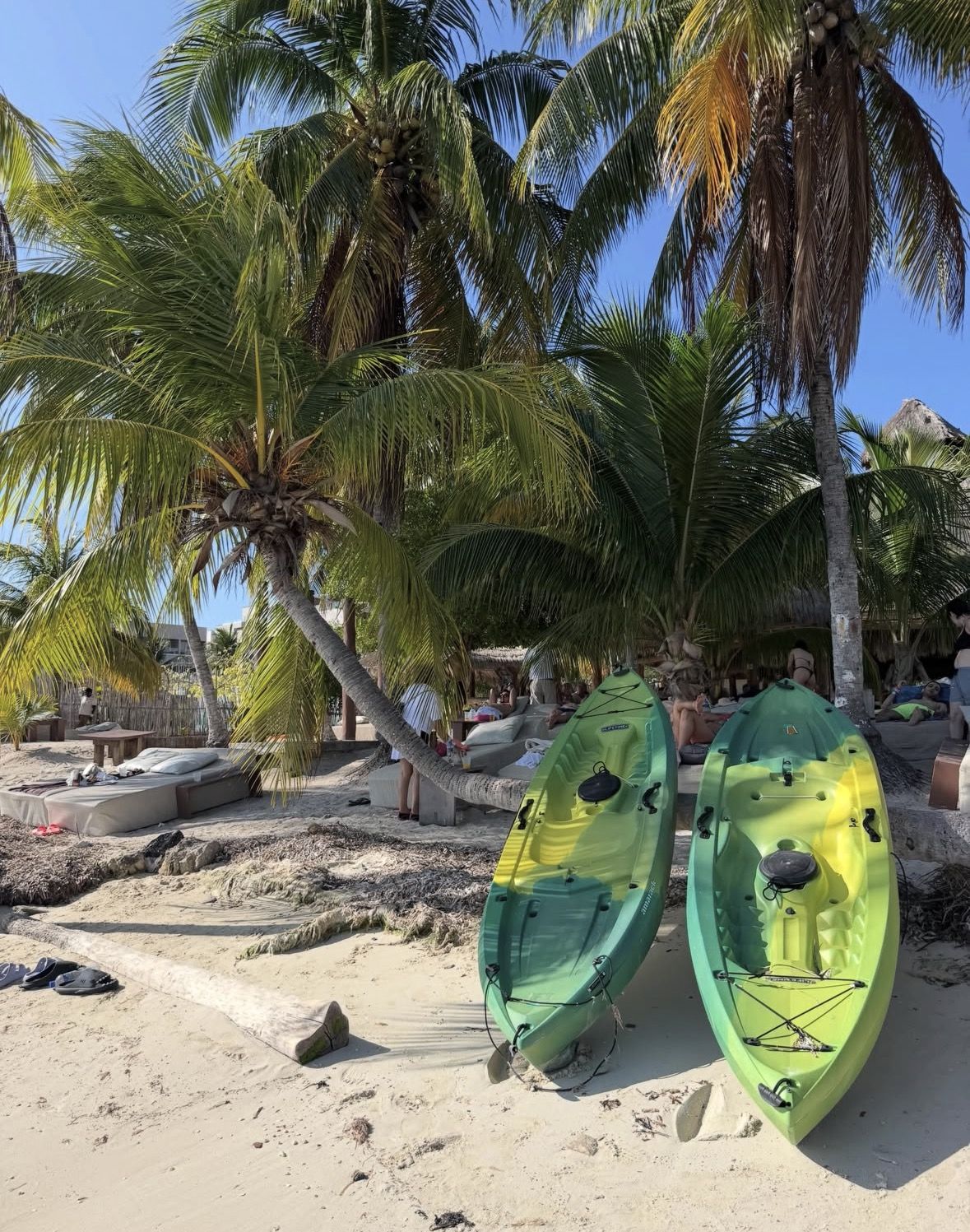
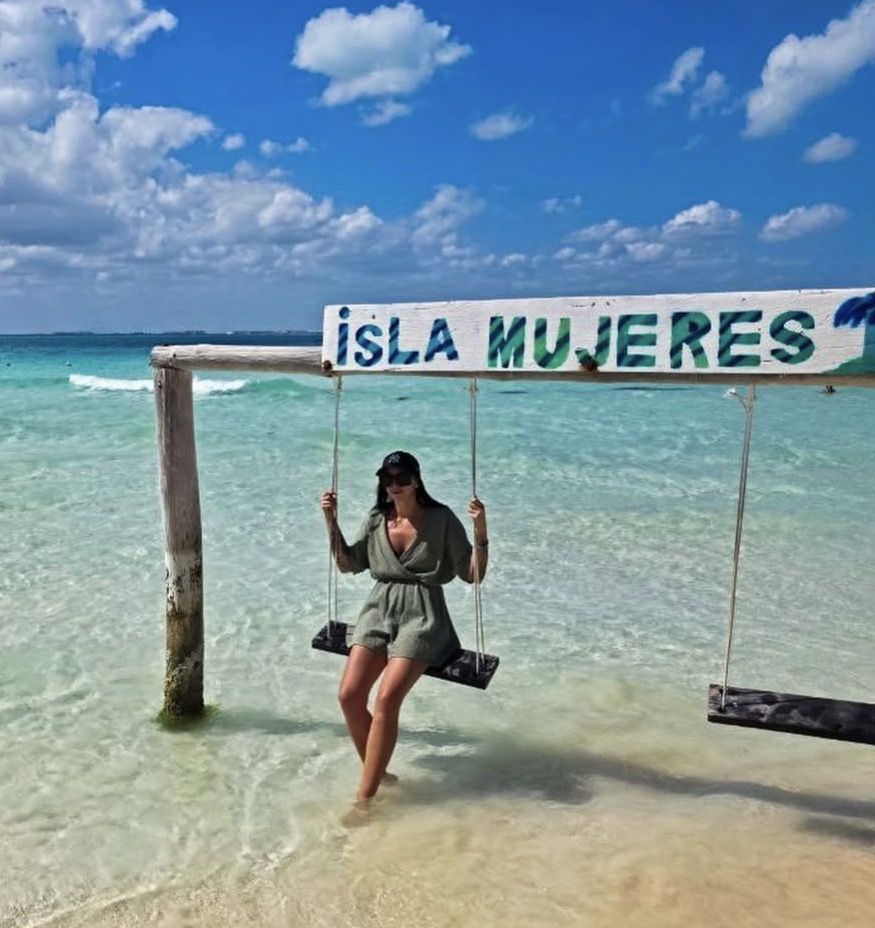
Isla Mujeres began attracting international attention in the mid-20th century, when adventurous travelers started crossing the 13-kilometer strait from Cancún to discover its unhurried charms. While Cancún was artificially developed as a mass-tourism resort destination starting in the 1970s, Isla Mujeres evolved more organically, retaining its fishing-village soul while carefully embracing tourism. The island became particularly beloved among divers and snorkelers drawn to the spectacular Mesoamerican Barrier Reef — the second largest coral reef system in the world — that runs along its eastern coast. Small guesthouses and family-run restaurants began catering to a growing stream of backpackers and bohemian travelers who preferred authenticity over all-inclusive luxury.
In September 1988, Hurricane Gilbert — one of the most powerful Atlantic hurricanes ever recorded at the time — made a direct hit on Isla Mujeres with catastrophic force. Winds exceeding 285 kilometers per hour destroyed the majority of structures on the island and forced a complete evacuation. The rebuilding effort that followed paradoxically strengthened community bonds and preserved the island's low-rise, colorful architectural character, as residents chose to reconstruct familiar streetscapes rather than permit large-scale commercial development. This resilience in the face of disaster became a defining chapter in the modern identity of Isla Mujeres, reinforcing the fierce local pride and tight-knit community spirit that visitors immediately sense when they step off the ferry.
The 1990s and 2000s brought steady growth in eco-tourism and marine conservation efforts to Isla Mujeres. The island gained international recognition as one of the world's premier destinations for swimming with whale sharks, the largest fish on Earth, which aggregate in enormous numbers in the warm waters north of the island between June and September each year. MUSA — the Museo Subacuático de Arte — was established in the waters surrounding the island between 2009 and 2013, placing over 500 life-size sculptural artworks on the seabed to create an extraordinary underwater museum that simultaneously promotes coral reef restoration. These initiatives cemented the island's reputation as a destination where natural wonder and cultural creativity converge.
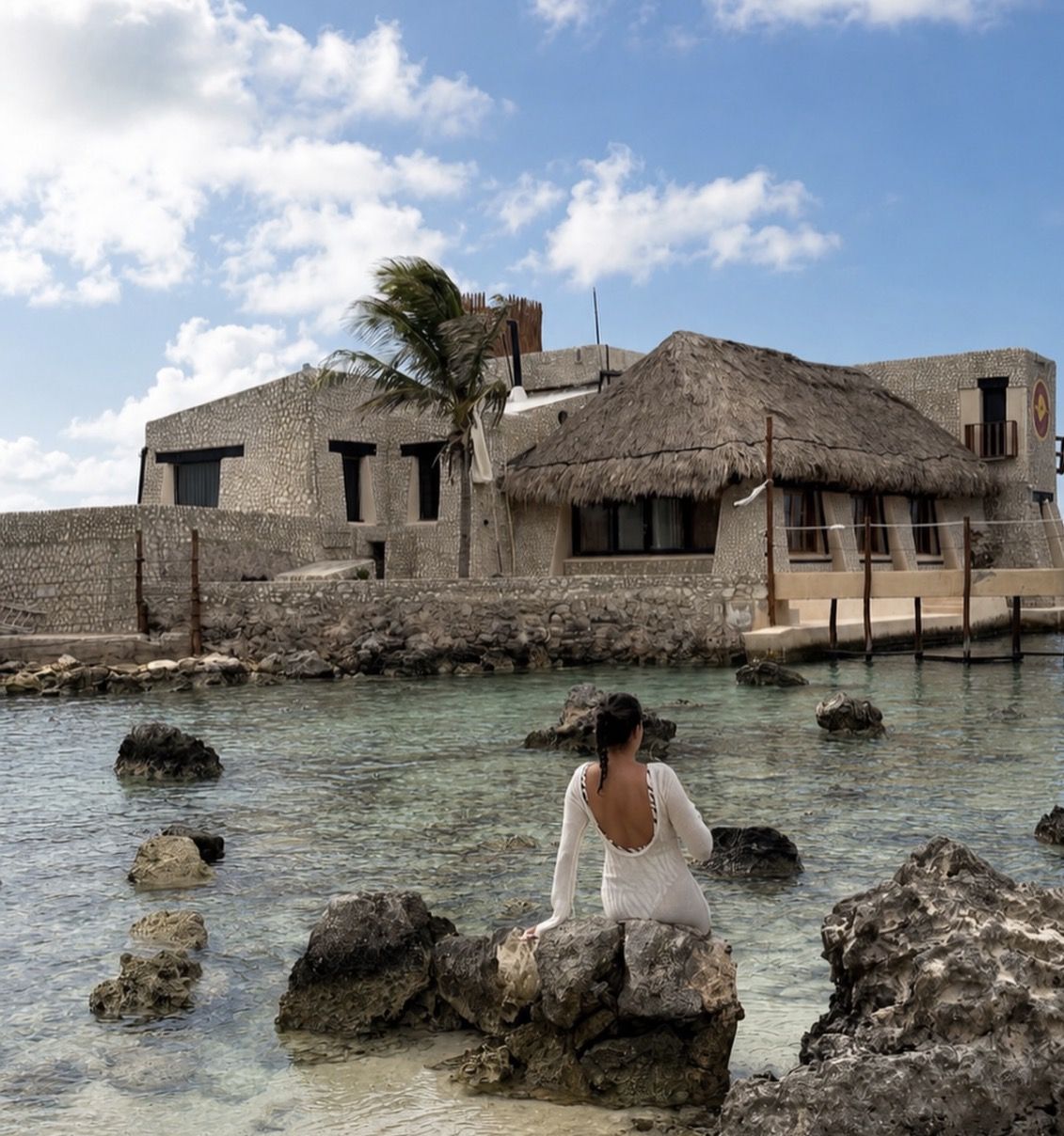
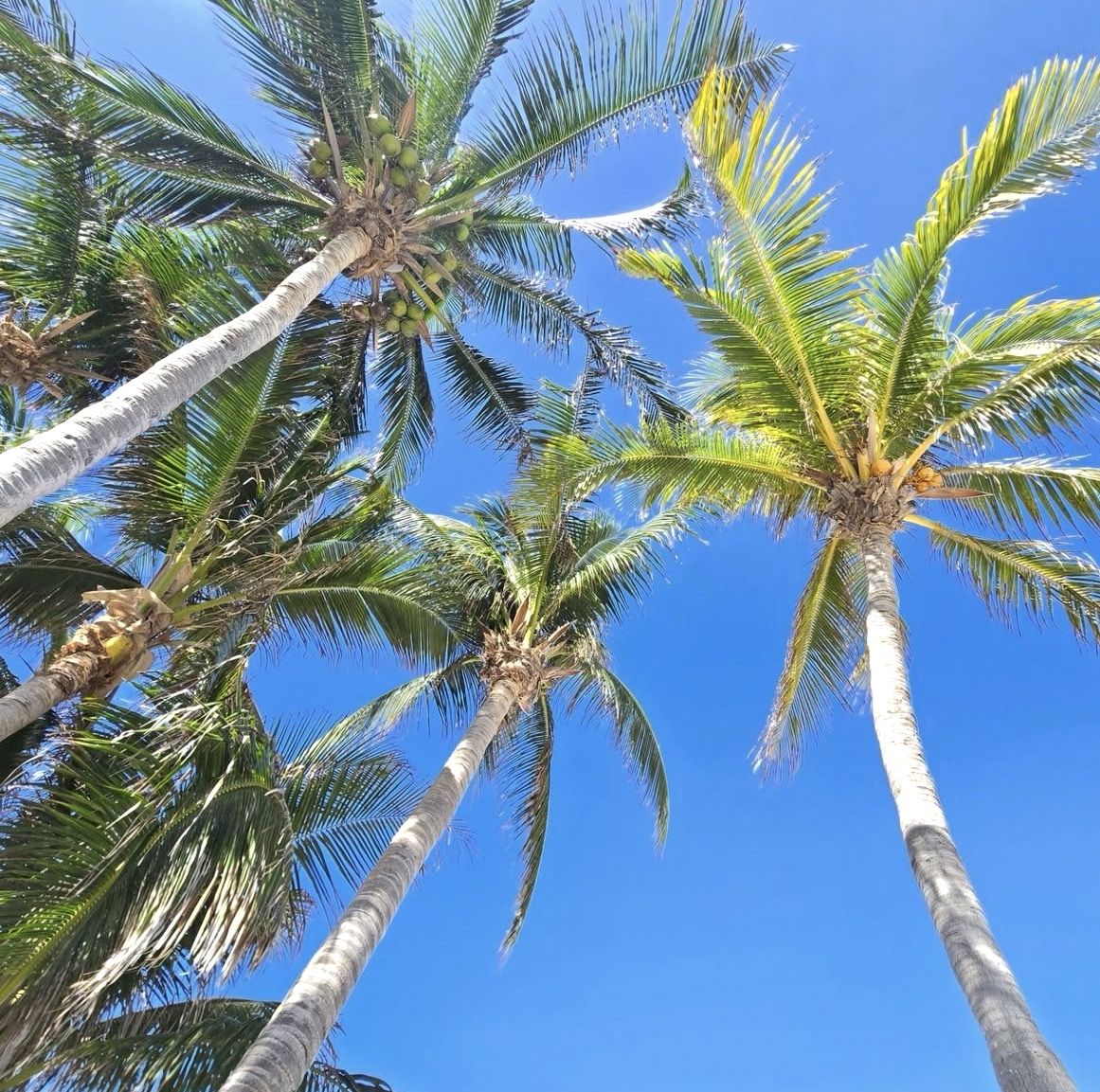
Today, Isla Mujeres balances its layered past with a vibrant, forward-looking present. Golf carts navigate the island's narrow, brightly painted streets past family-owned cevicherías, boutique hotels, and artisan workshops where local craftspeople carry on traditions with deep roots. The northern beach of Playa Norte consistently ranks among the most beautiful beaches in the Caribbean, its calm turquoise shallows drawing visitors who linger far longer than they planned. The island's designation under Mexico's Pueblo Mágico program acknowledges its exceptional cultural and natural heritage, while strict building height regulations help preserve the low-key atmosphere that distinguishes Isla Mujeres from the high-rise resorts that line the nearby mainland coast.
Whether you're standing at Punta Sur tracing the wind-worn stones of the ancient Ixchel temple, snorkeling above the ghostly sculptures of MUSA, or watching the sun set over the Caribbean from a fishing dock with a cold cerveza in hand, Isla Mujeres delivers a depth of experience that few islands can match. More than 3,000 years of human history — sacred Maya pilgrimage, swashbuckling piracy, colonial struggle, hurricane survival, and creative reinvention — have conspired to produce a place of extraordinary character. The island invites you not merely to visit, but to feel the pulse of a living, breathing story still being written with every tide.
Ready to Experience It Yourself?
From whale shark encounters and underwater art museums to ancient Maya ruins and legendary pirate hideouts, Isla Mujeres packs an astonishing amount of history and natural beauty into just seven kilometers. Browse our handpicked tours and experiences to make the most of every moment on this magical island. Book your adventure today and step into a story three thousand years in the making.
Book Your Tour Now